What Actually Happens in a Session—and How to Know You’re Ready
A lot of people find their way to Let Me Bloom and spend some time sitting with the page before they ever reach out. Maybe you feel drawn to the experience but still have questions about what happens once you arrive. Maybe you are wondering whether what you are carrying is “enough” to bring into a session, or whether you are ready to let someone else support you.
If that sounds familiar, this is for the part of you that wants to understand a little more before taking the next step.
A lot of people find their way to Let Me Bloom and spend some time sitting with the page before they ever reach out. Maybe you feel drawn to the experience but still have questions about what happens once you arrive. Maybe you are wondering whether what you are carrying is “enough” to bring into a session, or whether you are ready to let someone else support you.
If that sounds familiar, this is for the part of you that wants to understand a little more before taking the next step.
What a Session Actually Looks Like
There is no single script for a Personalized Healing Session. Each session moves with whatever you bring into the room that day, using some combination of sound, breath, and Reiki. The experience is shaped around what your body seems to need in that moment rather than following a fixed routine.
You will lie down, get comfortable, and allow yourself to receive. There is very little you need to do, and nothing you have to get right. You do not need to know how to meditate, quiet your thoughts, or reach a particular state of relaxation. Your only job is to arrive as you are and let the session meet you there.
A Chakra Reset follows a more defined path, working through each energy center in sequence. This can be a good fit when something specific feels stuck, heavy, or out of balance and you want a more structured way to reconnect with yourself. You still have space to settle into the experience, but the session offers a clearer framework for moving back toward balance.
Whichever session you choose, the experience is quiet and unhurried. You will not be asked to perform relaxation or fill the silence with conversation. Sound moves through the room, your breath slows in its own time, and Reiki works gently underneath it all. Many people leave feeling looser in their bodies and clearer in their minds, even when they cannot fully explain what shifted.
How to Know You’re Ready
You do not need to be in crisis to be ready for support. You do not need to reach a breaking point, have your stress perfectly named, or feel completely certain that this kind of healing will work for you.
You may be ready if you are functioning but tired of simply coping. You may have become very good at managing everything from a distance while some quieter part of you has grown tired of managing. If the idea of lying down and doing nothing for an hour feels both deeply appealing and slightly uncomfortable, that discomfort may be telling you something. It is not necessarily a red flag. Sometimes it is a sign that receiving care feels unfamiliar because you have spent so much time being the one who holds everything else together.
You also do not need to arrive with a clear intention. Plenty of people come to a session because something inside them says it is time, even when they cannot put that feeling into words. Clarity does not always come before the experience. Sometimes it arrives after your body has finally been given enough quiet to speak.
If You’re Still Not Sure
Like a lotus rising through still water, you do not have to rush toward this or force yourself to feel ready before you enter the room. You are allowed to move at your own pace. You can begin with a single Personalized Healing Session and simply notice what your body says once it has the space to answer.
If any of this sounds like where you are right now, I would love to hold space for you. You can explore the available sessions and choose what feels like the right fit, or reach out and tell me where you are starting from. You do not need to have the right words or a complete plan before you begin.
There is room here for you, exactly as you are.
What Does Trauma-Informed Mean?
A private session is a more personalized, one-on-one experience designed to meet you exactly where you are.
We begin with a brief check-in to understand what you’re needing, whether that’s stress relief, emotional support, or simply space to reset.
Read more →
The term trauma-informed is used often, but what does it really mean? Being trauma-informed begins with recognizing that past experiences can influence how safe we feel, how we connect with others, and how our nervous system responds in the present. It invites us to shift from asking, “What’s wrong with you?” to approaching someone with greater curiosity and asking, “What might you have experienced, and what would help you feel supported?”
A trauma-informed approach centers safety, trust, choice, collaboration, and empowerment. It respects each person’s boundaries and allows them to move at a pace that feels right for them. This doesn’t mean assuming everyone has experienced trauma, diagnosing someone, or walking on eggshells. It means recognizing that we may not know what another person carries and choosing compassion over judgment.
Trauma-informed care matters beyond a therapeutic setting. It can shape how we lead, work, build relationships, create healing spaces, and care for ourselves and one another. In breathwork and other healing spaces, this approach means offering clear guidance without pressure, communicating what participants can expect, encouraging them to listen to their bodies, and providing choices throughout the experience. It also means honoring each person’s right to pause, adjust, or stop at any time.
I am a Certified Breathwork Facilitator and am currently expanding my education through One Breath Institute’s trauma-informed Breathwork Practitioner training. I chose this program to deepen my understanding and bring an even greater emphasis on safety, choice, trust, and personal agency to the spaces I facilitate. For me, being trauma-informed is not about having all the answers. It is an ongoing commitment to learning, listening, and creating spaces where people feel respected, supported, and empowered in their own experience.
What Happens During a Private 1:1 Session?
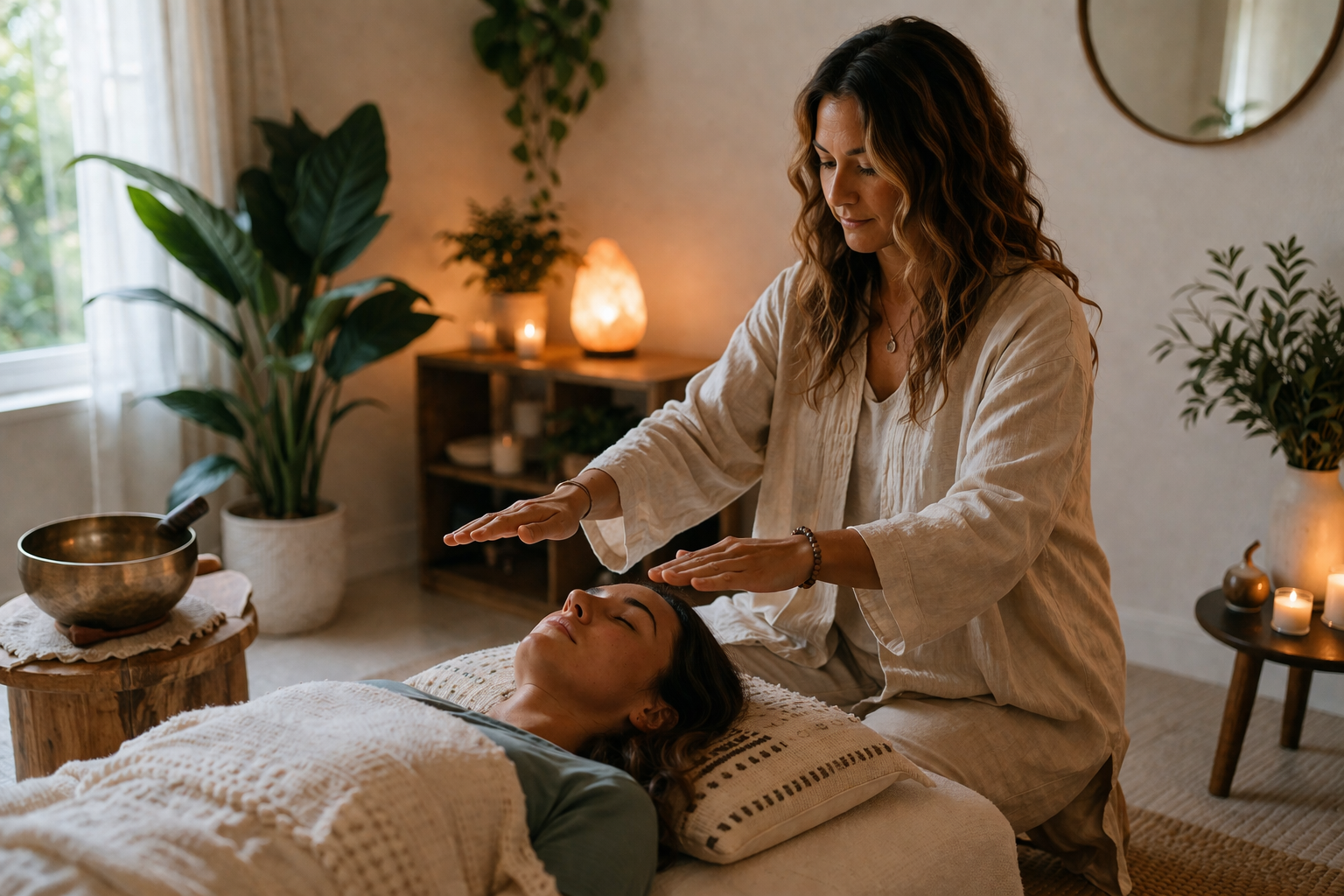
A private session is a more personalized, one-on-one experience designed to meet you exactly where you are.
We begin with a brief check-in to understand what you’re needing, whether that’s stress relief, emotional support, or simply space to reset.
Read more →
A private session is a more personalized, one-on-one experience designed to meet you exactly where you are.
We begin with a brief check-in to understand what you’re needing, whether that’s stress relief, emotional support, or simply space to reset.
From there, you’ll be guided into a relaxed state through a blend of sound healing, Reiki, and stillness, tailored to your body and your experience in the moment.
Because this is one-on-one, the session can move more intuitively. More time can be spent in areas that need attention, and the experience can unfold at a pace that feels supportive for you.
Many people describe private sessions as deeper, more focused, and more integrative.
This is space that is fully yours.
To rest, release, and reconnect.
What Happens During a Sound Healing + Reiki Session? (Group)
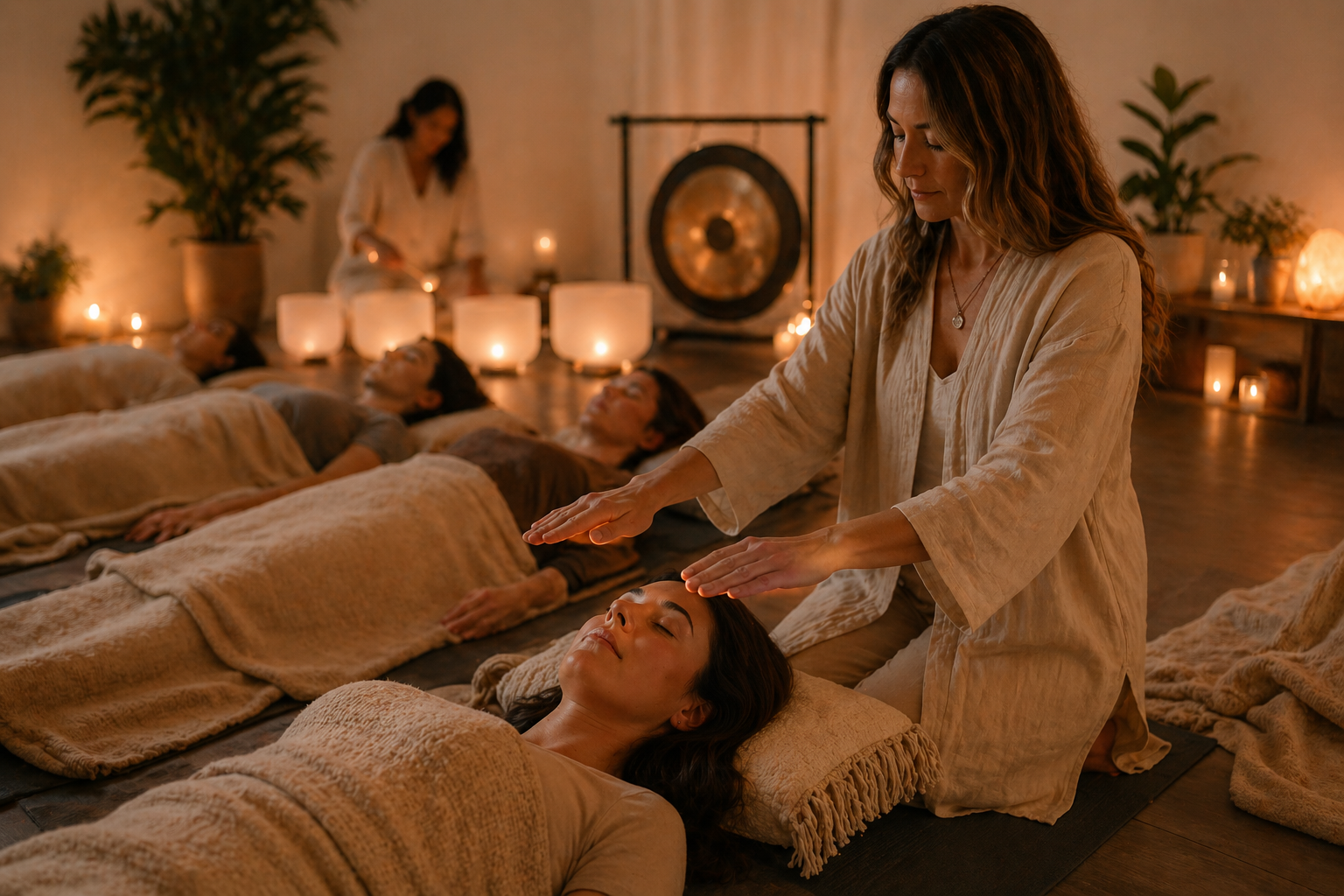
This experience blends the immersive nature of sound healing with the gentle support of energy work.
Like a traditional sound bath, you’ll begin by getting comfortable and settling into the space. A short meditation helps guide your awareness inward before the sound journey begins.
Read more →
This experience blends the immersive nature of sound healing with the gentle support of energy work.
Like a traditional sound bath, you’ll begin by getting comfortable and settling into the space. A short meditation helps guide your awareness inward before the sound journey begins.
As the sound unfolds, Reiki is offered throughout the session using light touch or hands just above the body, depending on your preference.
While sound works broadly through vibration, Reiki brings a more focused, individualized layer of support. It helps guide attention to areas that may feel tense, depleted, or energetically blocked, allowing for deeper release and recalibration.
Some people notice warmth, subtle shifts, or emotional release. Others simply feel more grounded and at ease.
The combination creates a layered experience, both expansive and personal, within a shared space.
Your body receives exactly what it needs.
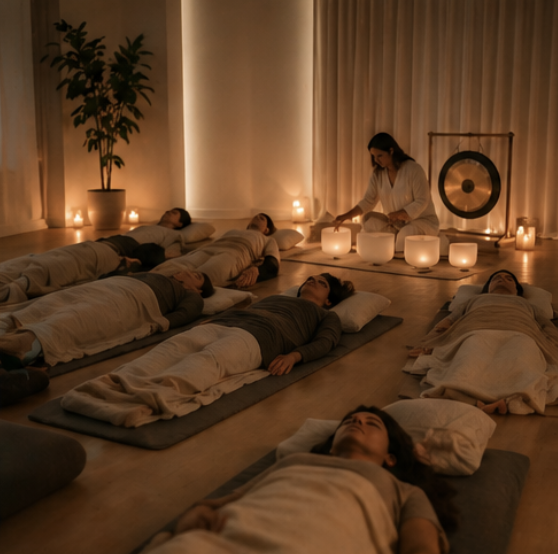
What Happens During a Sound Healing Session? (Group)
A sound healing session is a gentle, immersive group experience designed to help the body shift out of stress and into rest.
You’ll begin by getting comfortable, lying down, and allowing yourself to settle into the space. There’s nothing you need to do, nowhere you need to be. This is time to pause.
Read more →
A sound healing session is a gentle, immersive group experience designed to help the body shift out of stress and into rest.
You’ll begin by getting comfortable, lying down, and allowing yourself to settle into the space. There’s nothing you need to do, nowhere you need to be. This is time to pause.
The session typically begins with a short, guided meditation to help you turn inward and set your own intention. From there, you’ll be immersed in sound through crystal singing bowls and other instruments.
The vibrations move through the body, helping quiet the mind and support the nervous system in softening. Many people experience a sense of deep relaxation, mental clarity, or simply the ability to fully rest.
Each experience is different, because your body leads the process.
This is not about effort.
It’s about allowing.
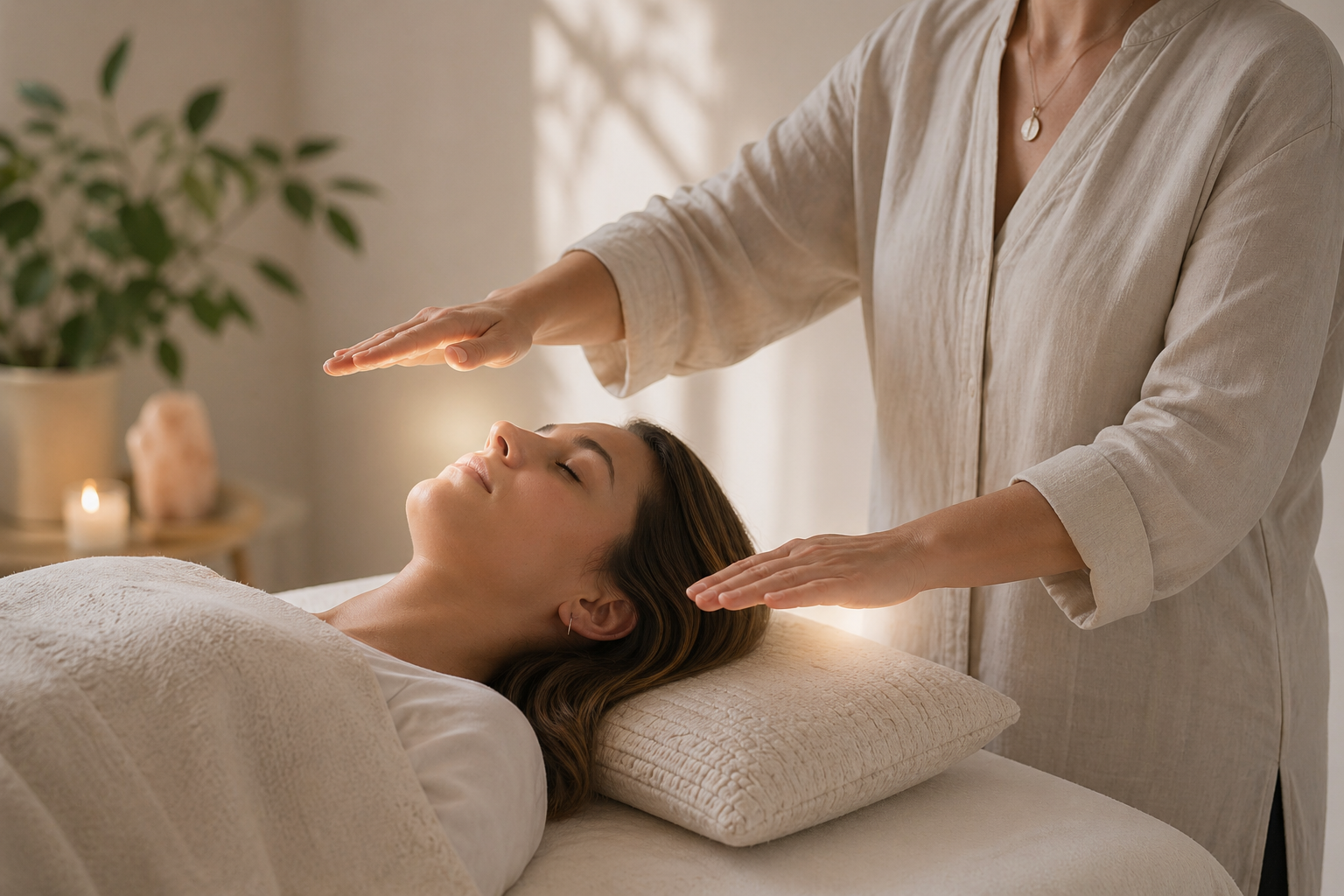
What Is Reiki?
Reiki is a form of energy healing that supports the body’s natural ability to restore balance.
Everything in the body carries energy, including the nervous system. Stress, grief, and constant demand can create tension not just physically, but energetically. Over time, that can leave us feeling depleted, overwhelmed, or stuck.
Read more →
Reiki is a form of energy healing that supports the body’s natural ability to restore balance.
Everything in the body carries energy, including the nervous system. Stress, grief, and constant demand can create tension not just physically, but energetically. Over time, that can leave us feeling depleted, overwhelmed, or stuck.
Reiki works by gently supporting the flow of energy through the body, helping clear areas where that energy may feel blocked or depleted. Using light touch or hands just above the body, it creates space for the nervous system to settle and for the body to release what it has been holding.
Rather than “doing” something to you, Reiki meets you where you are. Many people experience a sense of warmth, deep relaxation, or subtle shifts as the body begins to recalibrate.
There is nothing to force or figure out. Like sound healing, the body does the work.
This simply creates the space for it to happen.
How Sound and Vibration Support Healing
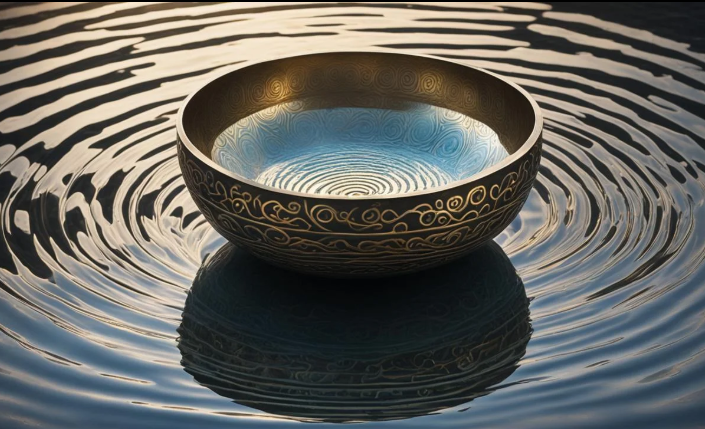
Sound healing works through vibration, not effort. The frequencies created by instruments like crystal bowls, gongs, and chimes interact with the nervous system, helping the body shift from stress into relaxation. This gentle process invites the mind to soften and awareness to deepen, often without consciously trying to relax.
Read more →
Sound healing works through vibration. Every sound we hear carries a frequency, and these frequencies interact with the body on a physical and nervous-system level, not just a mental one. During a sound bath, the vibrations created by instruments such as crystal bowls, gongs, and chimes travel through the air and into the body, where they can be felt as subtle waves of movement and resonance.
These vibrations help signal safety to the nervous system, encouraging a shift out of stress and into a more relaxed state. As the body begins to settle, brainwaves often slow, allowing the mind to soften and awareness to deepen. This is why many people experience sound baths as deeply calming, grounding, or restorative, even without actively trying to relax.
Sound healing doesn’t require effort, focus, or prior experience. The body naturally responds to sound when given space to receive it. Over time, this gentle interaction with vibration can support relaxation, emotional regulation, and a deeper sense of connection to the present moment.
The Healing Power of Connection
Sound healing is often thought of as an inward practice, but its effects extend beyond the individual. When we gather for a sound bath, vibration moves through a shared space, creating resonance not only within the body, but between people. Sound becomes a bridge, reminding us that healing is not only personal, it’s relational.
Read more →
Sound healing is not only about the internal experience of vibration and stillness… it’s also about what emerges in community and connection.
When we gather for a sound bath, we are not healing in isolation. We are entering a shared field of presence. The sounds don’t just move through one body- they ripple across a room of people, touching nervous systems, releasing tension, and inviting openness. In this way, sound becomes a bridge between individuals, a reminder that healing is not only inward, it's relational.
I invite you to explore what it means to share our presence, to choose connection over isolation, and to recognize that we all need each other. In the resonance of sound, we experience not just inner calm, but the subtle interplay of collective openness. A reminder that we are part of something larger than ourselves.
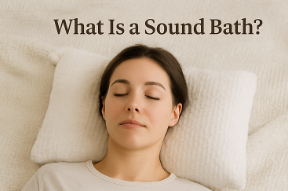
What Is a Sound Bath
A gentle, immersive relaxation experience where soothing vibrations from bowls, gongs, and chimes help quiet the mind and restore balance in the body.
Read more →
A sound bath is a deeply immersive relaxation experience where you are “bathed” in the soothing vibrations of instruments such as crystal singing bowls, gongs, chimes, and other harmonic tools. Instead of water, you’re surrounded by waves of sound that gently guide the mind into a calmer, more meditative state.
During a sound bath, participants typically lie down or sit comfortably while the facilitator plays instruments in intentional patterns. These sounds create gentle vibrations that move through the body, helping to slow the brainwaves, release tension, and invite a sense of peace and inner stillness. Many people describe it as a journey, a place between rest and meditation where the mind can soften and the body can deeply relax.
Sound baths are used for:
Stress reduction
Emotional release
Restoring balance to the nervous system
Supporting mindfulness
Enhancing sleep
Connecting with a sense of grounding and clarity
At its heart, a sound bath is an opportunity to pause, to step out of the noise of daily life and into a space of resonance, healing, and quiet renewal.
Want more practices, tips, and healing insights? “Stay in the loop” by joining my newsletter below.